Submit Your Suggestions for Coral Species Inclusion
- Isaac Gorres
- 4 days ago
- 4 min read

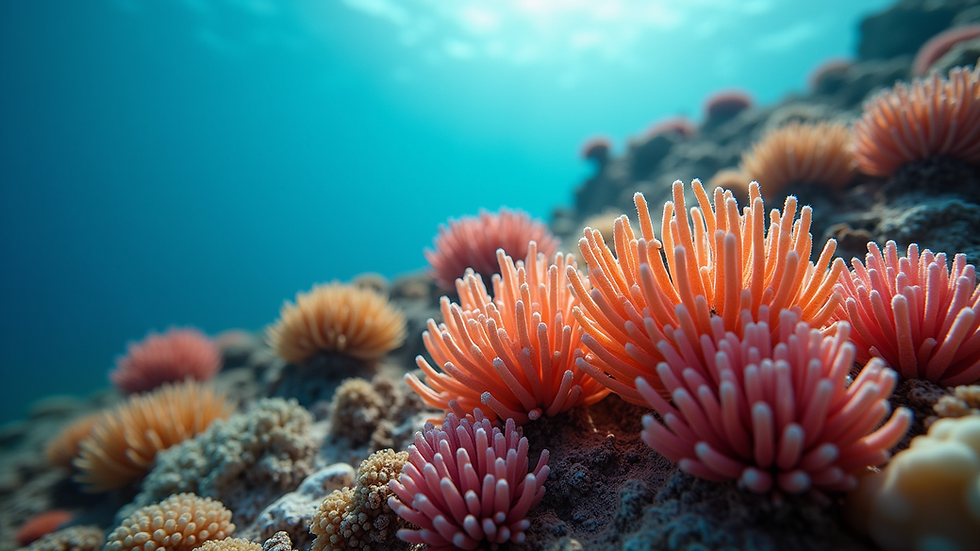
Coral reefs are often referred to as the "rainforests of the sea," and for good reason. They are home to an incredible diversity of marine life, providing habitat, food, and breeding grounds for countless species. However, these vibrant ecosystems are under threat from climate change, pollution, and overfishing. As we strive to protect and restore coral reefs, the inclusion of various coral species in conservation efforts becomes crucial. This blog post invites you to share your suggestions for coral species that should be included in these initiatives.

Understanding Coral Species
Corals are marine invertebrates that belong to the class Anthozoa. They form colonies of many identical individual polyps, which secrete calcium carbonate to build the reef structure. There are two main types of corals: hard corals and soft corals.
Hard Corals
Hard corals, also known as stony corals, are responsible for building the reef structure. They have a hard skeleton made of calcium carbonate. Some notable examples include:
Acropora: Known for their branching structures, they are fast-growing and provide essential habitat for many fish species.
Porites: These corals are resilient and can survive in various environmental conditions, making them vital for reef stability.
Montipora: Often found in shallow waters, they exhibit a wide range of colors and shapes.
Soft Corals
Soft corals do not have a hard skeleton and are more flexible. They play a crucial role in the reef ecosystem by providing habitat and food for various marine organisms. Examples include:
Alcyonacea: These corals are often brightly colored and can sway with the water currents, adding beauty to the reef.
Dendronephthya: Known for their vibrant colors, they thrive in nutrient-rich waters and are important for biodiversity.
The Importance of Coral Species Inclusion
Inclusion of diverse coral species in conservation efforts is essential for several reasons:
Biodiversity: A diverse coral community supports a wider range of marine life. This biodiversity is crucial for the resilience of the ecosystem.
Ecosystem Services: Corals provide essential services such as coastal protection, tourism opportunities, and fisheries support.
Climate Resilience: Some coral species are more resilient to temperature changes and ocean acidification. Including these species can enhance the overall resilience of coral reefs.
How to Choose Coral Species for Inclusion
When considering which coral species to include in conservation efforts, several factors should be taken into account:
1. Ecological Role
Understanding the ecological role of a coral species is vital. Some corals provide essential habitat for fish and other marine organisms, while others contribute to the structural integrity of the reef.
2. Resilience to Climate Change
Corals that show resilience to rising sea temperatures and ocean acidification should be prioritized. Research has identified certain species that can withstand these stressors better than others.
3. Geographic Distribution
Consider the geographic distribution of coral species. Including a variety of species from different regions can enhance the genetic diversity of coral populations.
4. Cultural and Economic Importance
Some coral species hold cultural significance or are economically important for local communities. Including these species can support both conservation and community livelihoods.
Your Suggestions Matter
Now that we have explored the importance of coral species inclusion, we want to hear from you. What coral species do you think should be prioritized in conservation efforts? Here are some ways you can share your suggestions:
Comment Below: Share your thoughts in the comments section. Include the name of the coral species and why you believe it should be included.
Social Media: Use the hashtag #CoralInclusion to share your suggestions on social media platforms.
Community Forums: Join local marine conservation forums and discuss your ideas with like-minded individuals.
Examples of Successful Coral Conservation Efforts
To inspire your suggestions, let’s look at some successful coral conservation initiatives around the world:
1. The Coral Triangle Initiative
The Coral Triangle, located in Southeast Asia, is known for its incredible marine biodiversity. The Coral Triangle Initiative focuses on protecting coral reefs and their associated ecosystems. This initiative has successfully included various coral species in its conservation plans, leading to improved reef health and biodiversity.
2. The Great Barrier Reef Restoration Project
Australia's Great Barrier Reef is one of the most famous coral reefs globally. The Great Barrier Reef Restoration Project aims to restore damaged areas by planting resilient coral species. This project has seen success in increasing coral cover and enhancing the overall health of the reef.
3. The Caribbean Coral Restoration Program
In the Caribbean, various organizations are working to restore coral reefs by propagating and planting resilient coral species. These efforts have led to increased coral populations and improved ecosystem health in several areas.
The Role of Technology in Coral Conservation
Advancements in technology are playing a significant role in coral conservation efforts. Here are some examples of how technology is being utilized:
1. Coral Gardening
Coral gardening involves cultivating coral fragments in nurseries before transplanting them onto damaged reefs. This method allows for the propagation of resilient coral species and has shown promising results in restoring reef health.
2. Remote Sensing
Remote sensing technology enables researchers to monitor coral reefs from above. This technology helps identify areas of stress and track changes in coral health over time, allowing for targeted conservation efforts.
3. Genetic Research
Genetic research is helping scientists understand the resilience of different coral species. By studying the genetic makeup of corals, researchers can identify species that are more likely to survive climate change and other stressors.
Conclusion
Coral reefs are vital ecosystems that require our attention and protection. By including a diverse range of coral species in conservation efforts, we can enhance the resilience and health of these underwater treasures. Your suggestions for coral species inclusion are invaluable in this endeavor.
Take a moment to reflect on the coral species you believe should be prioritized and share your thoughts with us. Together, we can make a difference in the fight to protect our coral reefs and the incredible biodiversity they support.

Comments