Download Comprehensive Coral Species Data Today
- Isaac Gorres
- 4 days ago
- 4 min read

Coral reefs are among the most diverse ecosystems on the planet, playing a crucial role in marine biodiversity and the health of our oceans. However, they are also among the most threatened due to climate change, pollution, and overfishing. Understanding coral species and their distribution is vital for conservation efforts and marine research. In this blog post, we will explore the importance of coral species data, how to access comprehensive datasets, and the implications for research and conservation.
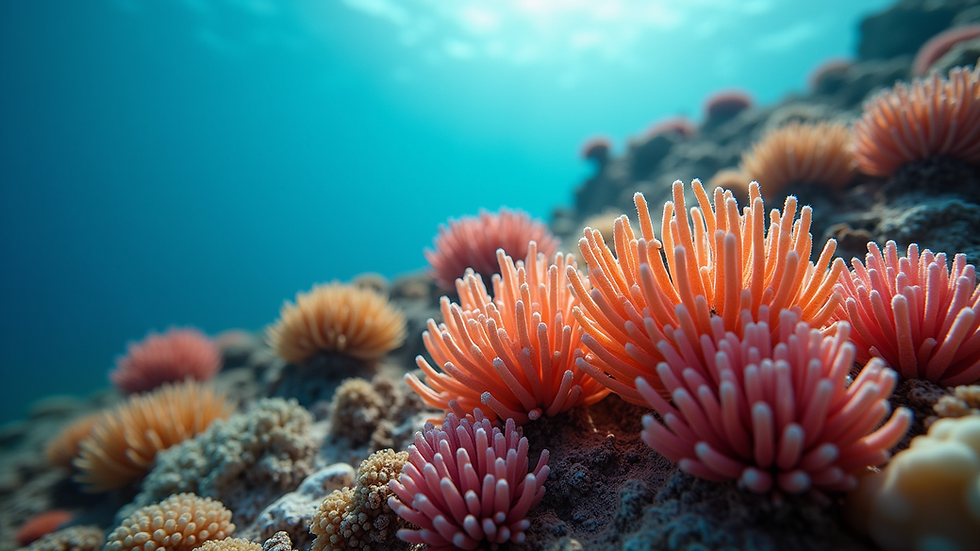
The Importance of Coral Species Data
Coral species data is essential for several reasons:
Biodiversity Assessment: Coral reefs are home to thousands of marine species. Understanding the diversity of coral species helps in assessing the overall health of marine ecosystems.
Conservation Efforts: With the right data, conservationists can identify critical areas that need protection and develop strategies to mitigate threats to coral reefs.
Climate Change Research: Coral species respond differently to environmental changes. Data on their distribution and health can provide insights into how climate change affects marine life.
Fisheries Management: Many fish species rely on coral reefs for habitat. Understanding coral species can help in managing fisheries sustainably.
Types of Coral Species Data
When looking for coral species data, it’s important to know what types of information are available. Here are some key categories:
Species Distribution: Data showing where different coral species are found globally.
Genetic Information: Insights into the genetic diversity of coral species, which can indicate their resilience to environmental changes.
Health Assessments: Information on the health of coral populations, including signs of bleaching or disease.
Environmental Conditions: Data on water temperature, salinity, and other environmental factors that affect coral health.
Where to Find Comprehensive Coral Species Data
Accessing comprehensive coral species data can be done through various platforms and organizations. Here are some reliable sources:
1. Global Coral Reef Monitoring Network (GCRMN)
The GCRMN provides extensive data on coral reefs worldwide, including species distribution and health assessments. Their reports are invaluable for researchers and conservationists.
2. The Ocean Biogeographic Information System (OBIS)
OBIS is a global database that offers information on marine biodiversity, including coral species. It allows users to search for specific species and view their distribution.
3. Coral Triangle Initiative
This initiative focuses on the Coral Triangle region, which is known for its rich marine biodiversity. They provide data and resources for coral species in this area.
4. National Oceanic and Atmospheric Administration (NOAA)
NOAA offers a wealth of information on coral reefs, including research findings, species data, and conservation efforts. Their website is a great resource for anyone interested in marine science.
5. Research Publications
Many scientific journals publish research on coral species. Accessing these publications can provide detailed insights into specific studies and findings related to coral reefs.
How to Use Coral Species Data
Once you have access to coral species data, here are some ways to utilize it effectively:
1. Conduct Research
Researchers can use the data to study coral health, biodiversity, and the impacts of climate change. For example, a study might analyze how rising sea temperatures affect coral bleaching in different species.
2. Inform Conservation Strategies
Conservationists can use the data to identify priority areas for protection. For instance, if certain coral species are found to be more resilient to climate change, these areas can be targeted for conservation efforts.
3. Educate the Public
Data can be used to create educational materials that raise awareness about the importance of coral reefs and the threats they face. Engaging the public can lead to increased support for conservation initiatives.
4. Support Policy Development
Policymakers can use coral species data to inform regulations and policies aimed at protecting marine ecosystems. For example, data on overfishing in coral areas can lead to stricter fishing regulations.
Challenges in Accessing Coral Species Data
While there are many resources available, accessing comprehensive coral species data can come with challenges:
Data Gaps: Some regions may lack sufficient data, making it difficult to assess coral health and distribution accurately.
Data Quality: The quality of data can vary between sources. It’s essential to verify the credibility of the information.
Technical Barriers: Some databases may require technical knowledge to navigate effectively, which can be a barrier for non-experts.
The Future of Coral Species Data
As technology advances, the future of coral species data looks promising. Here are some trends to watch:
1. Increased Use of Remote Sensing
Remote sensing technology allows researchers to monitor coral reefs from space. This can provide valuable data on coral health and distribution without the need for extensive fieldwork.
2. Citizen Science Initiatives
Engaging the public in data collection can help fill gaps in coral species data. Citizen science projects encourage volunteers to report sightings and health assessments of coral reefs.
3. Improved Data Sharing
Efforts to improve data sharing among organizations can lead to more comprehensive datasets. Collaborative platforms can help researchers access a wider range of information.
Conclusion
Accessing comprehensive coral species data is crucial for understanding and protecting these vital ecosystems. By utilizing the available resources and data effectively, researchers, conservationists, and policymakers can make informed decisions that benefit coral reefs and the marine life that depends on them.
To get started, explore the resources mentioned in this post and consider how you can contribute to the conservation of coral reefs. Together, we can work towards a healthier ocean and a sustainable future for coral species.


Comments